Practical · 8 min read
Is a Tanzania Safari Safe? Health, Visas and Money
Tanzania is one of the calmer countries in the region to travel in. The real preparation is medical and administrative, not dramatic.
The short answerYes — a Tanzania safari is safe when you travel with a licensed operator, follow your guide's instructions around wildlife and take normal precautions in towns. Practically, you need a visa (usually $50, or $100 for US citizens), routine vaccinations, malaria prophylaxis, yellow fever proof only if arriving from a risk country, and travel insurance with medical evacuation cover.
Guests ask about safety more than anything except price. The honest answer is that the animals are the least of your worries — the things worth preparing for are mosquitoes, the sun, your paperwork and your insurance.
Visas
Most nationalities need a visa. The ordinary single-entry tourist visa costs $50; US passport holders pay $100 for a multiple-entry visa. Apply online through the official Tanzanian immigration e-visa portal several weeks ahead, and print the approval. Visas on arrival exist at JRO but the queues are long and the rules change — the e-visa is the calmer route.
Your passport must be valid for at least six months beyond arrival with blank pages.
Vaccinations and health
The Ngorongoro rim is over 2,200 m and cold at night; that altitude is not a health risk, but pack a fleece.
- ·Yellow fever: certificate required only if you arrive from, or transit over 12 hours in, a yellow fever risk country.
- ·Routine: check tetanus, MMR, hepatitis A and typhoid with your doctor.
- ·Malaria: prophylaxis is recommended for the northern circuit; discuss the options with a travel clinic.
- ·Repellent with DEET, long sleeves at dusk and the mosquito net in your tent or room do most of the work.
- ·Drink bottled or filtered water — we carry it in the vehicle throughout.
Insurance
Travel insurance with medical and emergency evacuation cover is mandatory on our safaris. Serious hospitals are in Arusha and Moshi, and evacuation from a remote camp is expensive without cover. If you are also climbing Kilimanjaro, check that your policy covers the altitude.
Safety around wildlife
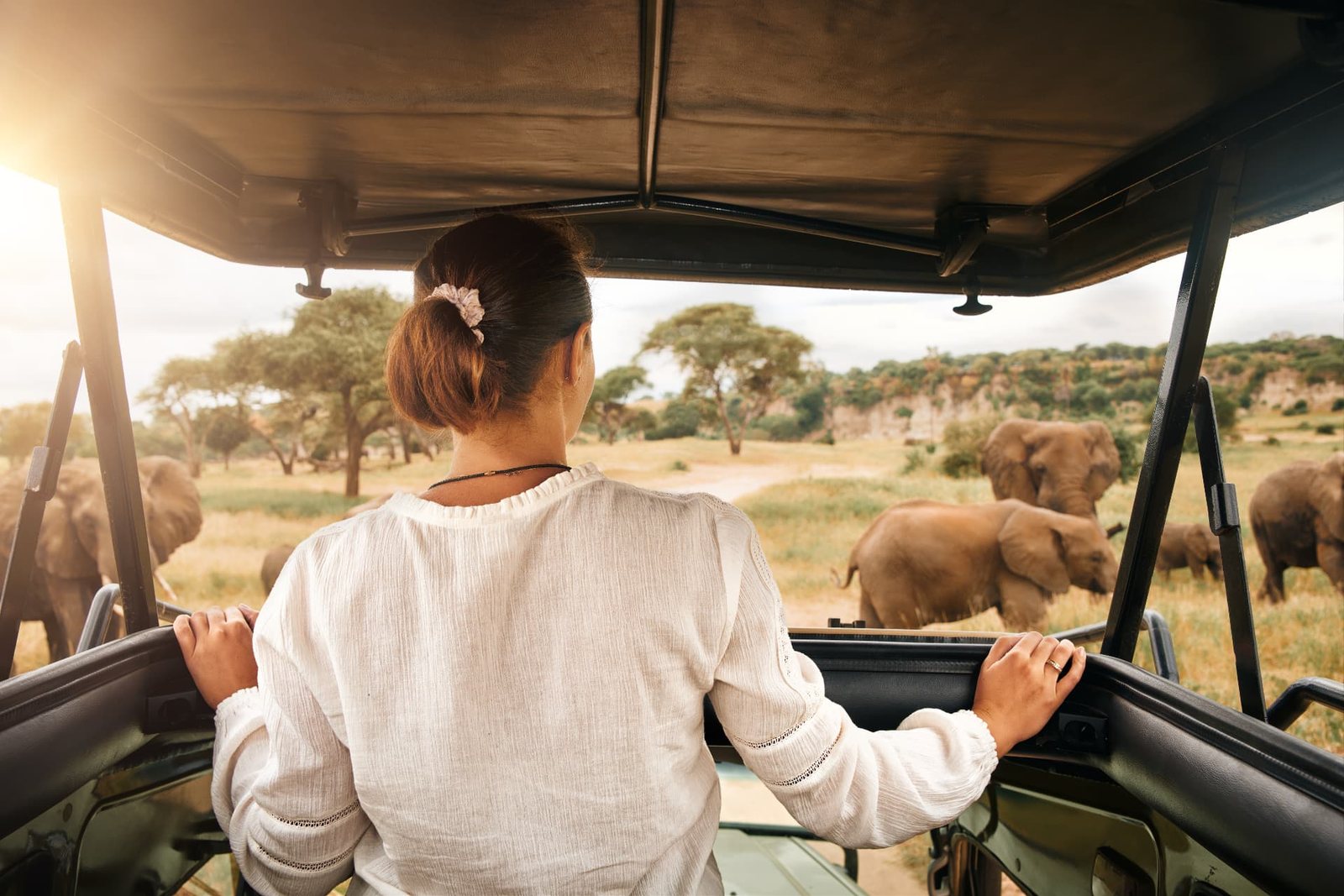
The rules are simple and they work: stay in the vehicle unless your guide says otherwise, no standing on seats, no hanging out of windows, keep noise down at sightings and never feed anything. In camp, keep food in the vehicle, use a torch after dark and stay in your tent at night — animals passing through public campsites is normal and harmless when you leave them alone.
Money and everyday safety
Bring USD notes printed after 2009 for fees and tips, and shillings for markets and taxis. ATMs are common in Arusha and rare beyond it. Keep cash split between two places and use the lodge safe.
In Arusha, take a taxi after dark, keep your phone out of sight around the clock tower and be politely firm with street sellers. The realistic risk is petty theft, not violence. Common scams involve unofficial 'guides' offering park tours or currency exchange on the street — book through a licensed operator and change money in a bank or bureau.
Solo travellers and families
Tanzania is a straightforward destination for solo travellers, including women, on an organised safari — you are with the same guide throughout. Families are welcome; children of any age can join a private safari, and Arusha National Park with its walking safari is the gentlest introduction. Tell us the ages and we will adjust drive lengths.
About the author
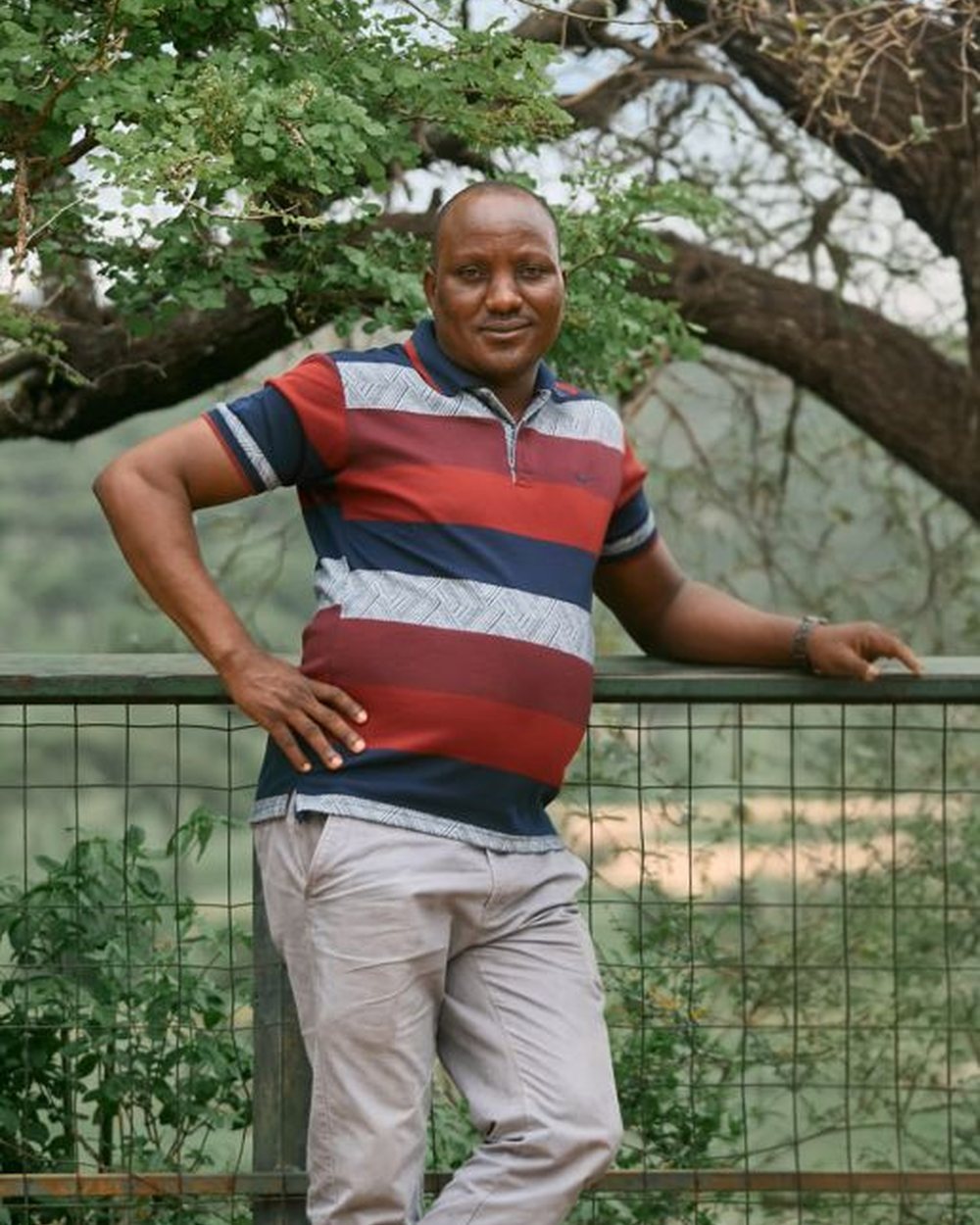
Isaac Sumary
Isaac is a Tanzanian safari guide from Arusha and the founder of both the Fruitful Orphanage & Day Care Center and Fruits & Love Safaris. He has been driving the northern circuit for over a decade, and 10% of every safari payment goes back to the children in his care. Reach him on +255 762 353 576 or isaacsumary@yahoo.com.
Planning a trip?
We run private safaris from Arusha and give 10% of every payment to the Fruitful Orphanage. Send us your dates and we will reply within 24 hours with a quote in USD.
Get a quote