Planning · 8 min read
Arusha Travel Guide: Where to Stay and Start a Safari
Everyone passes through Arusha and almost nobody plans for it. Two days here make the rest of the trip better.
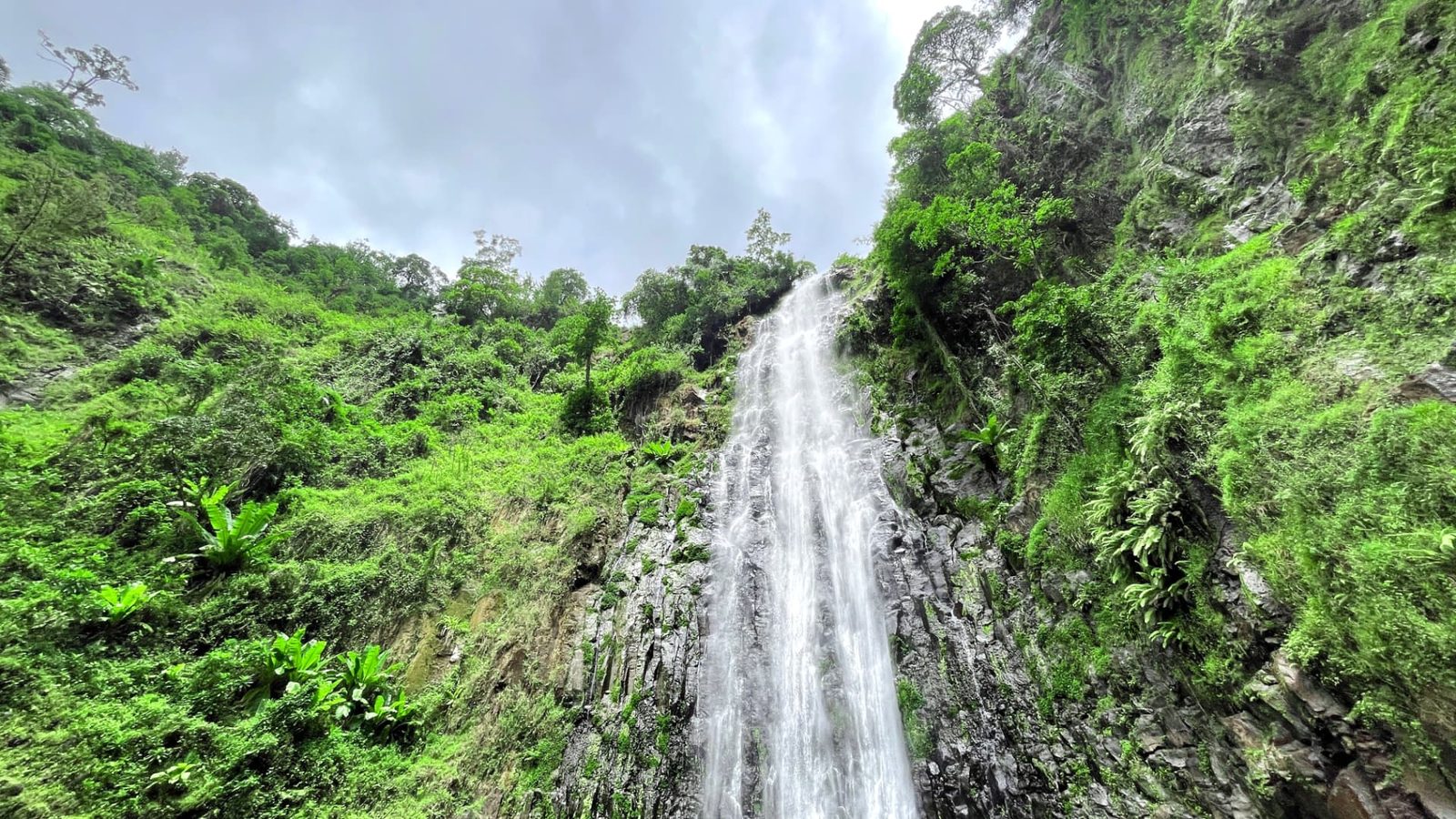
The short answerArusha is the safari capital of northern Tanzania, about 50 km from Kilimanjaro International Airport and the starting point for Tarangire, Lake Manyara, the Ngorongoro Crater and the Serengeti. Plan one night before your safari to recover from the flight, stay in the Njiro or Sakina areas for value, and use a spare day for Arusha National Park or the Materuni waterfalls.
Arusha sits at 1,400 m under Mount Meru, which makes it far cooler and greener than most people expect from Tanzania. It is a working town rather than a resort, and it is where every northern safari begins.
Getting there
Kilimanjaro International Airport (JRO) is about an hour away and is the airport to aim for. Dar es Salaam is a long domestic hop or a very long drive. Arusha Airport, in town, handles light aircraft to the Serengeti and Zanzibar.
We include airport pick-up with our safaris. If you arrive separately, agree the fare before getting into a taxi — around $50 from JRO is normal.
Where to stay
Budget guesthouses start around $25–$40 a night, comfortable mid-range lodges $60–$120, and garden lodges with pools $150 and up. Tell us your budget and we will suggest places we actually use.
- ·Town centre: convenient for the market and restaurants, noisier.
- ·Njiro: quiet, residential, good mid-range guesthouses and lodges.
- ·Sakina and the Moshi road: handy for early departures towards the parks.
- ·Usa River and the eastern outskirts: green garden lodges, closest to the airport and Arusha National Park.
What to do in town
The Maasai central market for fabric, spices and beadwork; the Cultural Heritage Centre for serious Tanzanian art; the Arusha Declaration Museum for the political history; and a coffee at one of the Themi Hill cafés, which roast beans from the Kilimanjaro slopes you can visit on the Materuni day trip.
Half a day covers the town comfortably. If you have a full spare day, use it on Arusha National Park, the Materuni waterfalls or the Chemka hot springs instead.
Money, connectivity and practicalities
- ·Currency: Tanzanian shilling; USD is accepted for park fees, tours and most lodges.
- ·Bring clean USD notes printed after 2009 — older notes are refused.
- ·ATMs are plentiful in town and scarce once you leave it.
- ·A local Vodacom or Airtel SIM costs a few dollars and works in most of the parks.
- ·Tipping: roughly $20–$25 per day for your safari guide, $10 for the cook, from the group.
Is Arusha safe?
Broadly yes, with normal city sense. Use taxis or a lift after dark, do not walk around with a camera bag or phone in hand, and expect persistent street sellers around the clock tower — a polite, firm no works. Petty theft is the realistic risk, not violence.
Starting your safari here
We collect you from your Arusha hotel or from Kilimanjaro Airport, brief you the evening before, and leave early. Arriving a day ahead is worth it: it absorbs flight delays, lets you sleep, and turns the first game-drive day into something you actually enjoy rather than survive.
About the author
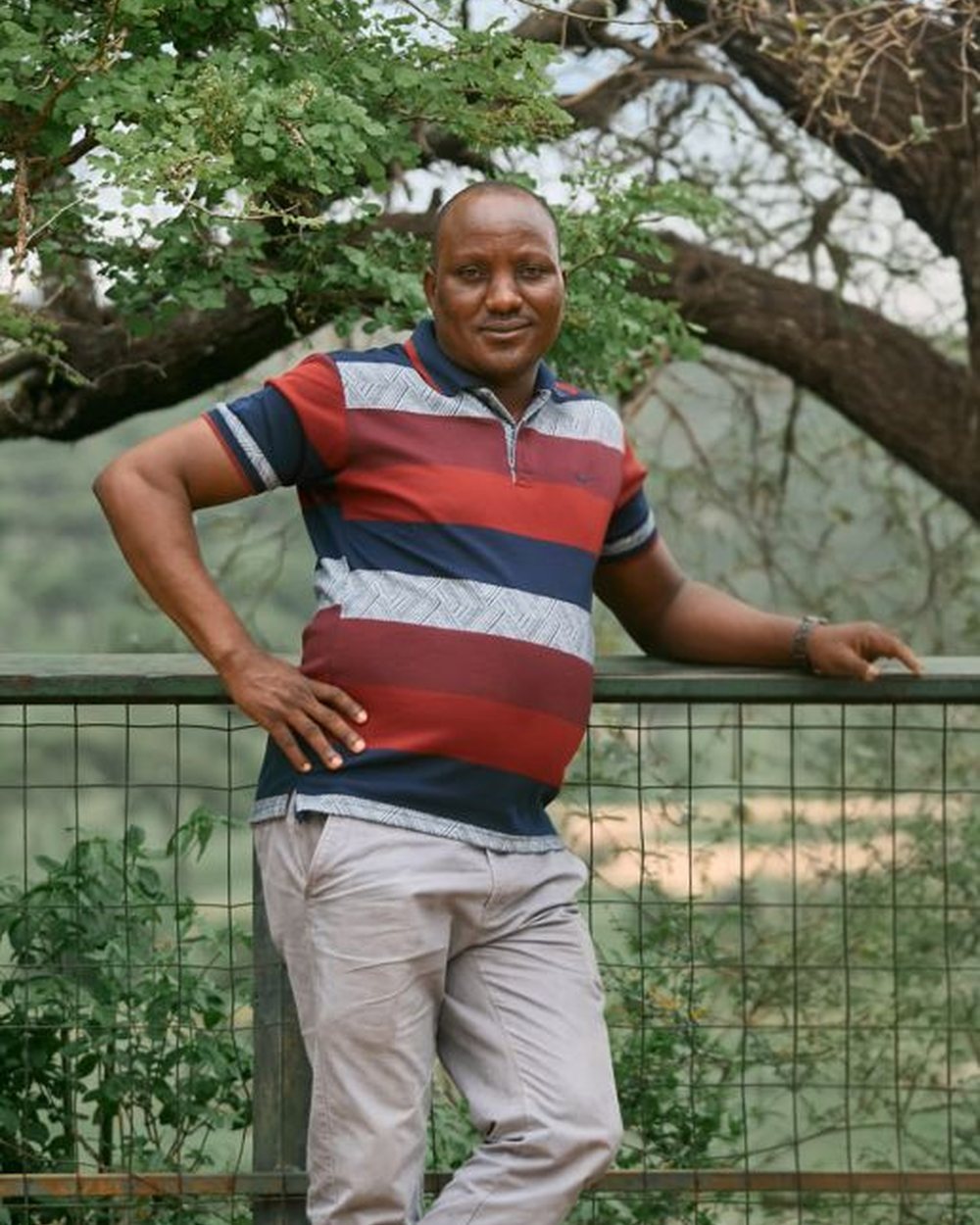
Isaac Sumary
Isaac is a Tanzanian safari guide from Arusha and the founder of both the Fruitful Orphanage & Day Care Center and Fruits & Love Safaris. He has been driving the northern circuit for over a decade, and 10% of every safari payment goes back to the children in his care. Reach him on +255 762 353 576 or isaacsumary@yahoo.com.
Planning a trip?
We run private safaris from Arusha and give 10% of every payment to the Fruitful Orphanage. Send us your dates and we will reply within 24 hours with a quote in USD.
Get a quote