
5 daysTarangire · Serengeti · Ngorongoro Crater
5-Day Serengeti & Ngorongoro Safari
Two full nights inside the Serengeti plus a crater day — the shortest itinerary that does the migration justice.
From
$1,450 USD pp
Destination
The Serengeti is the reason most travellers come to Tanzania. Nearly 15,000 km² of open plain, kopjes and river woodland hosting the largest land-mammal migration on earth.
Serengeti means 'endless plains' in Maa, and the first time you crest the rise past Naabi Hill Gate you understand why. Short grass runs to the horizon in every direction, broken only by granite kopjes where lions lie up through the heat of the day.
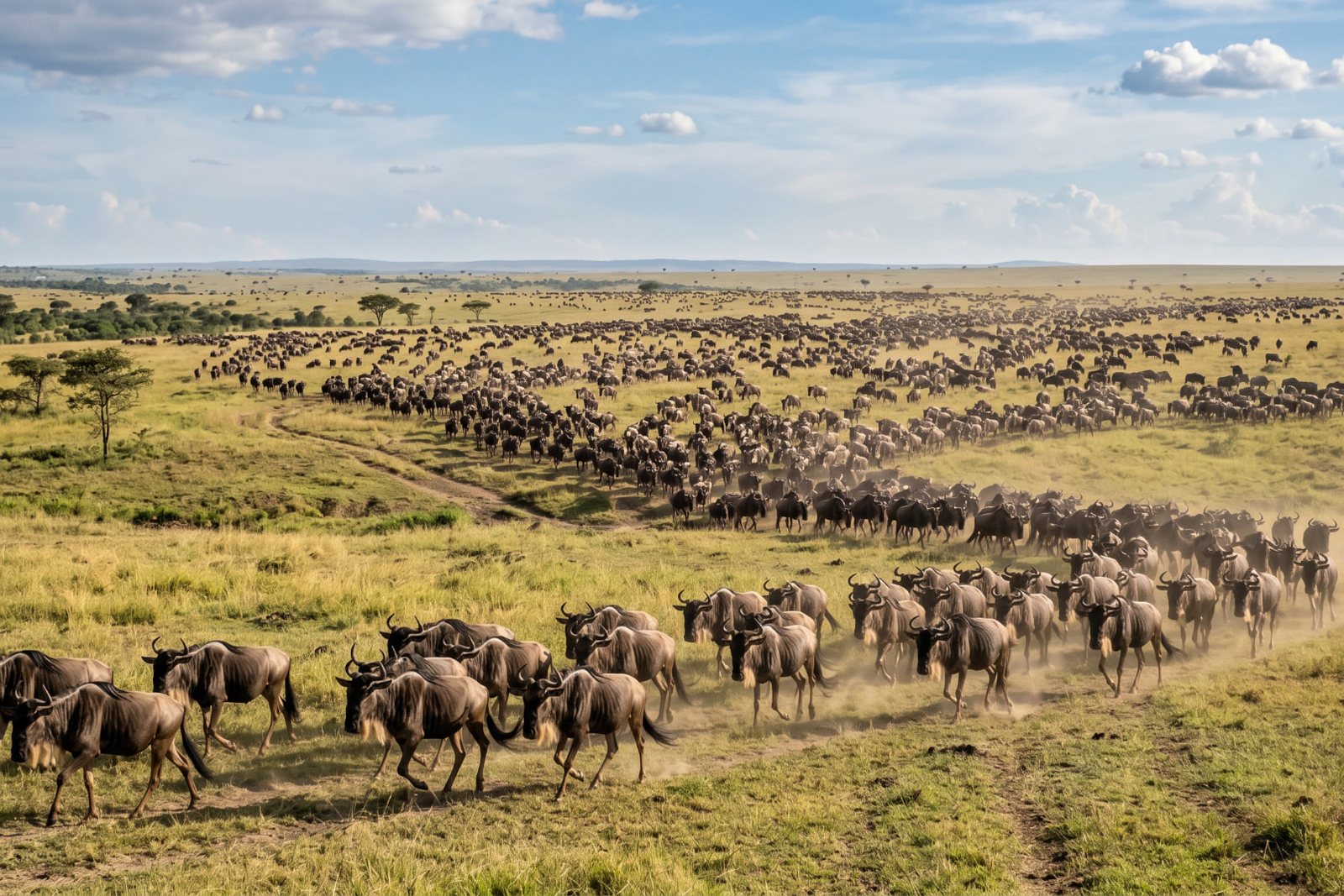
Around 1.5 million wildebeest and 250,000 zebra move through the ecosystem in a slow clockwise loop that follows the rain. From January to March they calve on the southern short-grass plains around Ndutu. By May and June the columns push north-west through the Grumeti. From July to October the herds mass on the Mara River in the far north, where the crossings happen.
Even outside migration season the Serengeti holds resident game year-round: big lion prides in the Seronera Valley, leopards in the sausage trees along the river, cheetah on the open plains and enormous herds of buffalo and giraffe.
We reach the Serengeti overland from Arusha via Ngorongoro, which makes the drive itself part of the safari, or by short flight for travellers who are tight on time.
June to October for the northern crossings and easy general game viewing; January to March for the calving season and big-cat action in the south.
Check your own travel month →Two full nights inside the Serengeti plus a crater day — the shortest itinerary that does the migration justice.
From
$1,450 USD pp
Every park in the northern circuit, unhurried, with three nights inside the Serengeti.
From
$2,450 USD pp
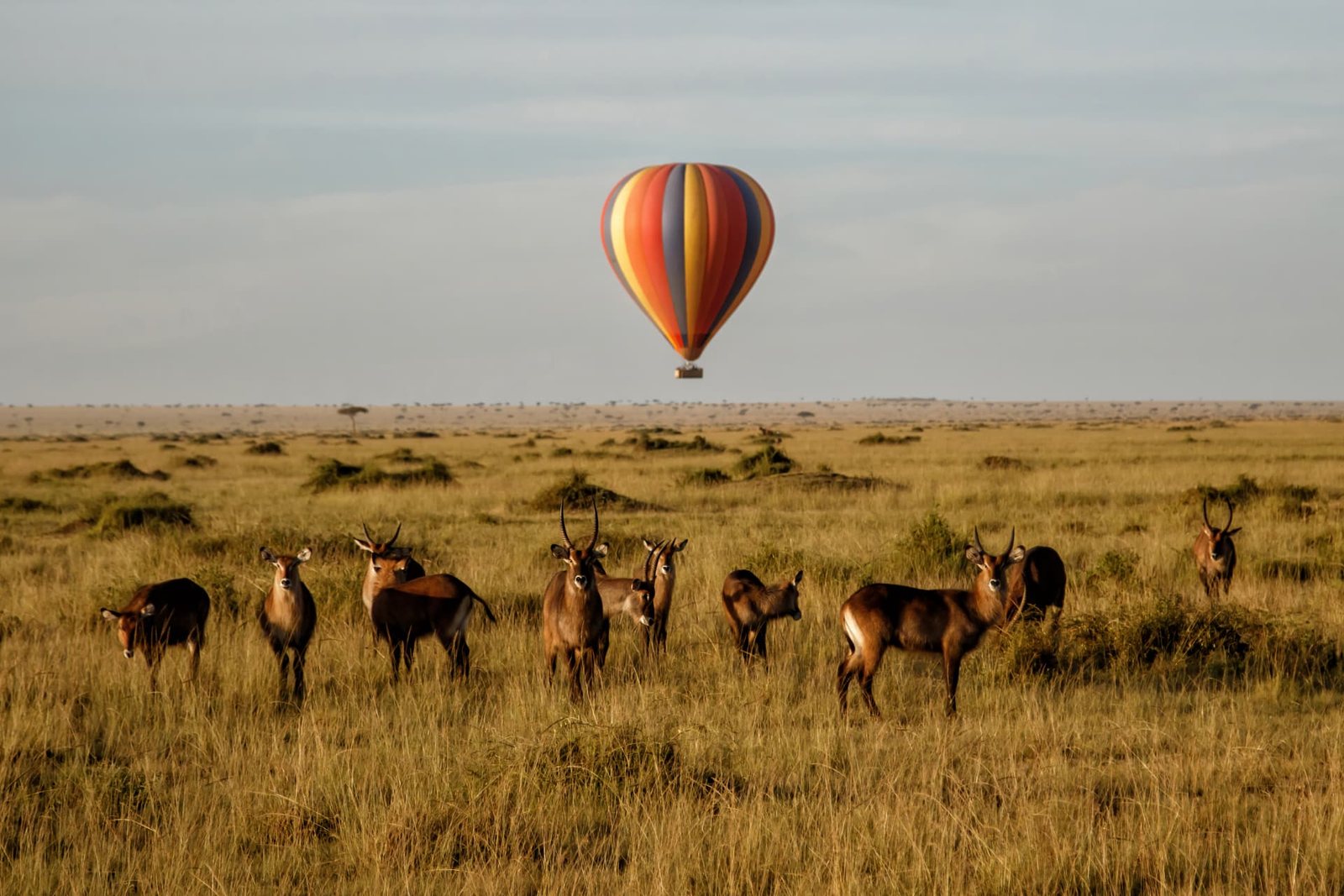
The full northern circuit with three nights inside the Serengeti and room for a balloon flight or a cultural day.
From
$2,700 USD pp
Planning
We are based in Arusha, so we are not neutral — but the honest comparison is more interesting than the sales pitch.
Practical
Tanzania is one of the calmer countries in the region to travel in. The real preparation is medical and administrative, not dramatic.
Practical
The difference between snapshots and photographs on safari is mostly timing, a beanbag and knowing when to put the camera down.