
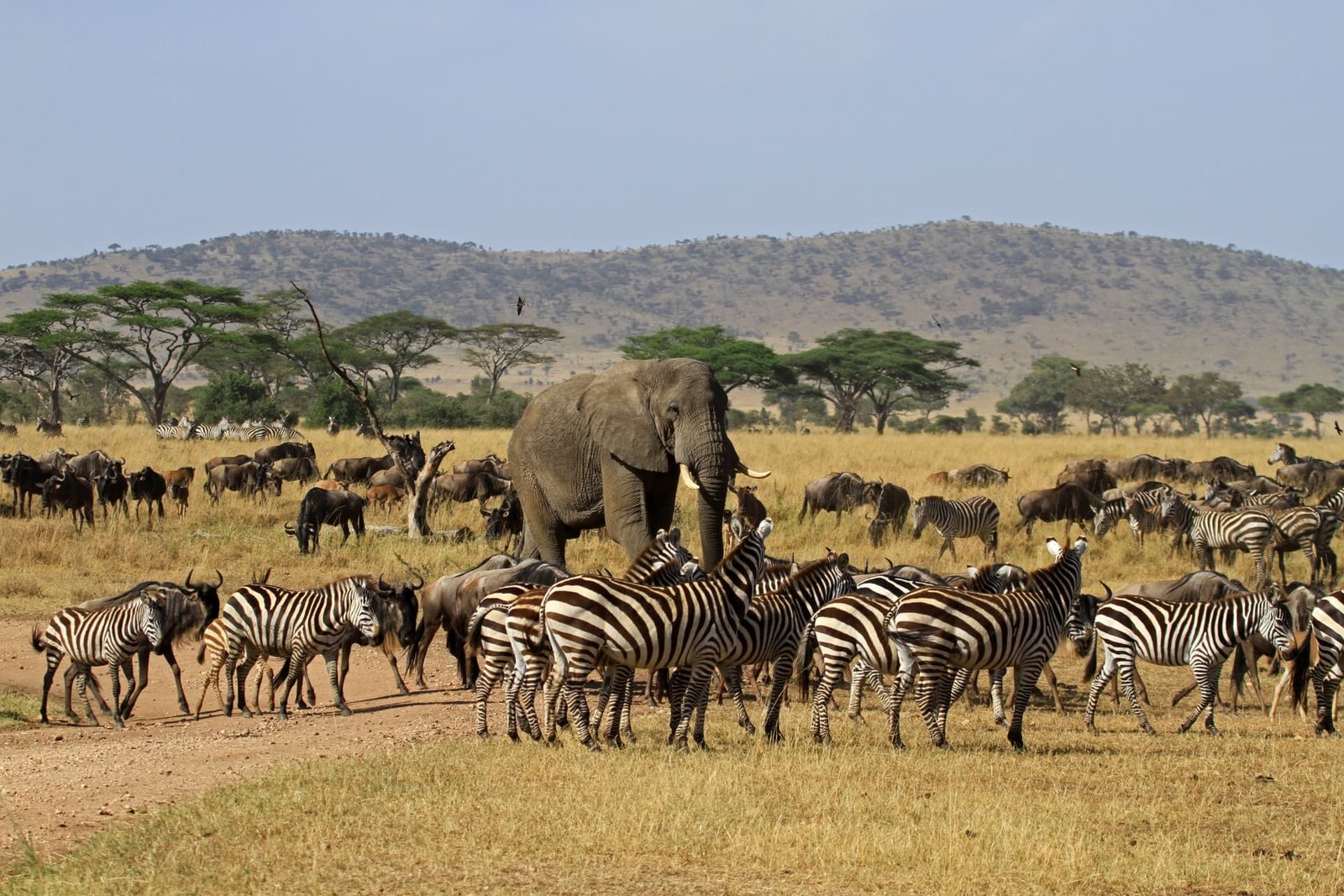
3 daysLake Manyara · Ngorongoro Crater · Tarangire
3-Day Lake Manyara, Ngorongoro & Tarangire Safari
The best-value way to see three completely different landscapes and stand a real chance of the Big Five in three days.
From
$750 USD pp
Destination
A 600-metre-deep caldera holding roughly 25,000 large animals in 260 km² — the single highest chance of seeing the Big Five in one morning anywhere in Africa.
Ngorongoro Crater is what remains of a volcano that collapsed in on itself two to three million years ago. The result is a natural amphitheatre with permanent water, grassland, swamp and acacia forest — everything a large animal needs, all year round.
Because the resident wildlife rarely leaves, the crater floor is the most reliable game drive in Tanzania. It is also the best place in the country to see black rhino, with a small protected population usually visible on the Lerai side in the early morning.
The wider Conservation Area is a multiple-use landscape where Maasai families graze cattle alongside wildlife. On the way through you can visit a Maasai boma, and the Olduvai Gorge museum sits on the road towards the Serengeti.
We always descend at first light. The crater is busiest from mid-morning, and the animals are most active before it warms up.
Excellent all year. June to October is dry and clear; the green months of January to March are quieter with beautiful light.
Check your own travel month →The best-value way to see three completely different landscapes and stand a real chance of the Big Five in three days.
From
$750 USD pp
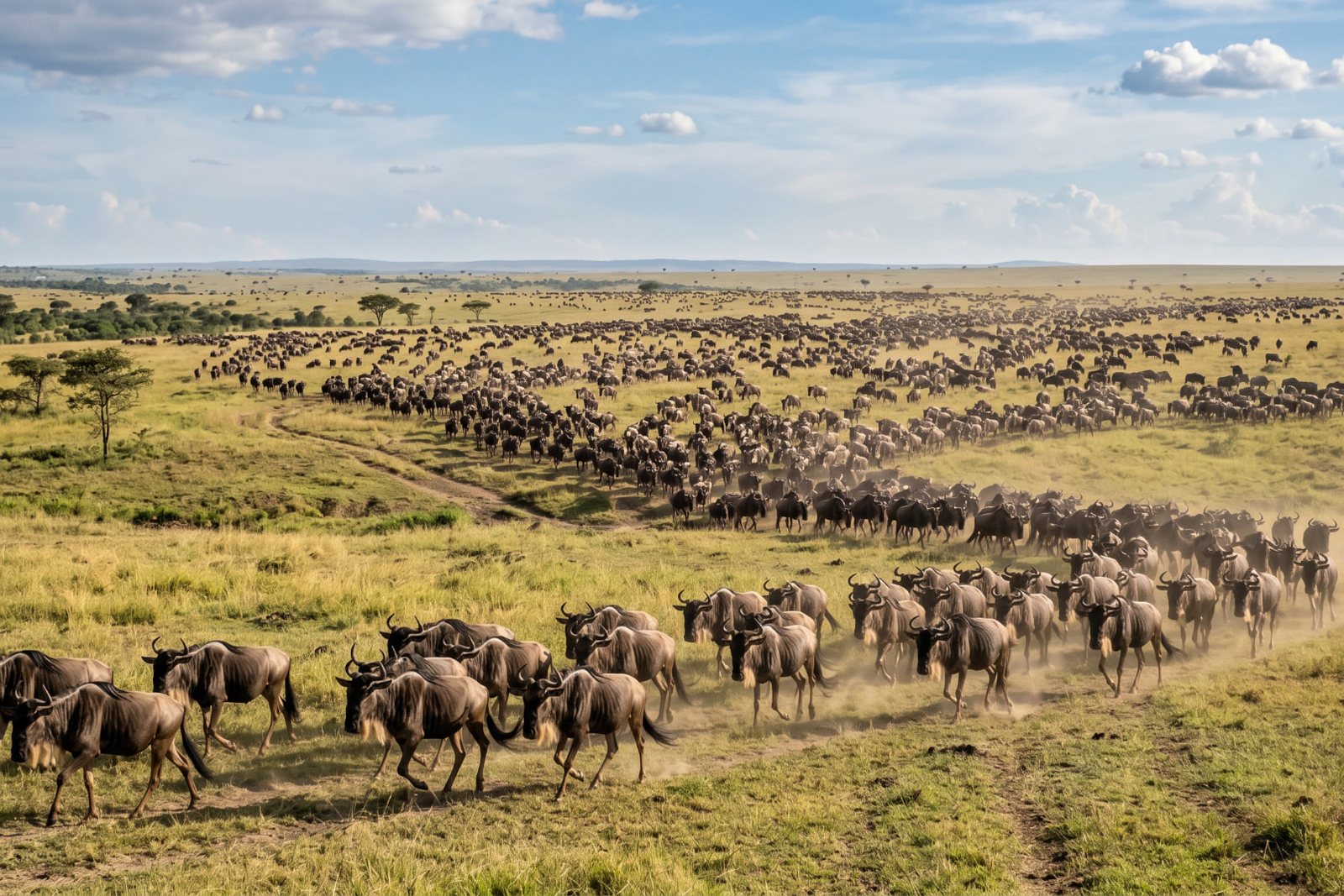
Two full nights inside the Serengeti plus a crater day — the shortest itinerary that does the migration justice.
From
$1,450 USD pp
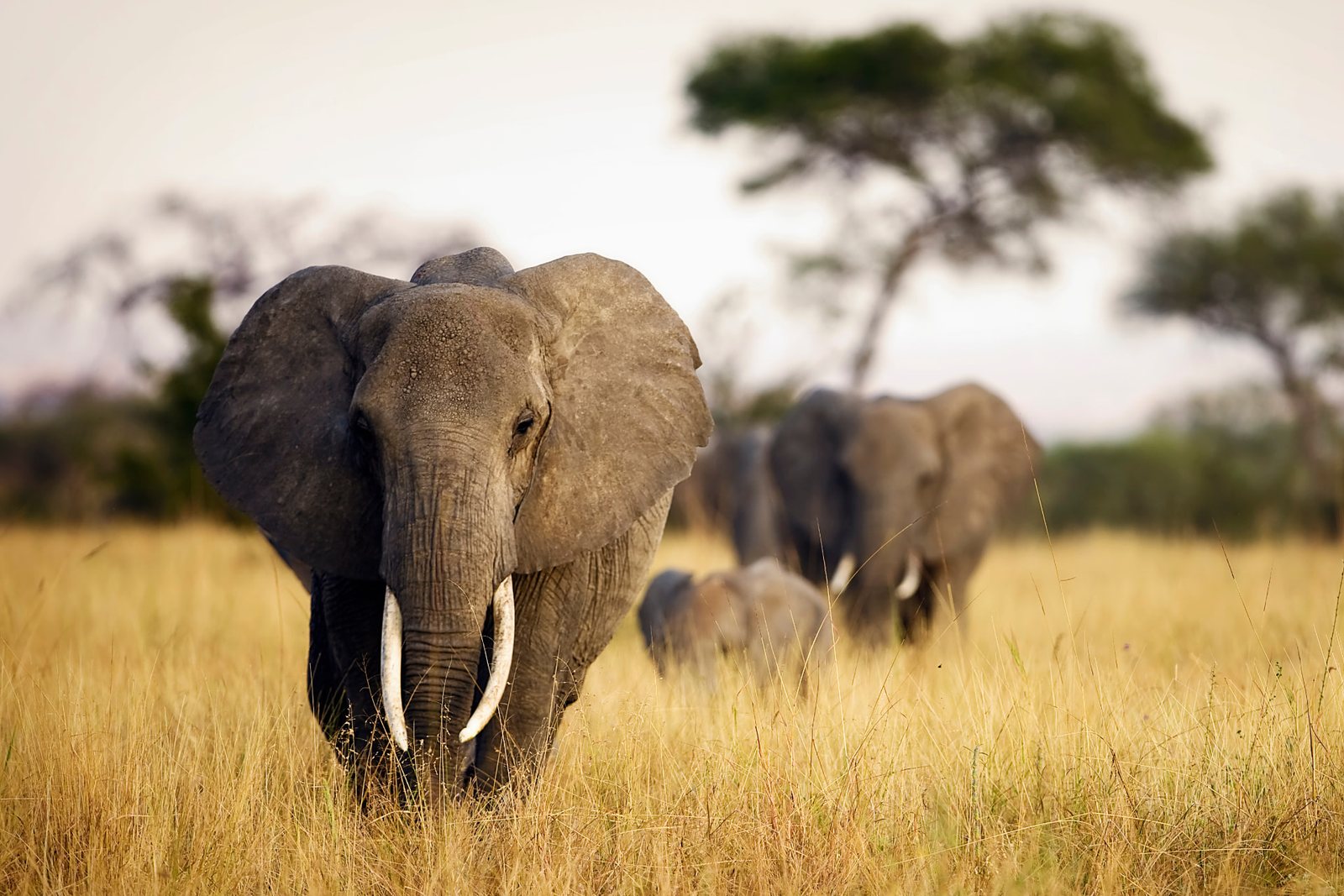
The shortest itinerary that still includes the Ngorongoro Crater — ideal for a tight schedule.
From
$500 USD pp
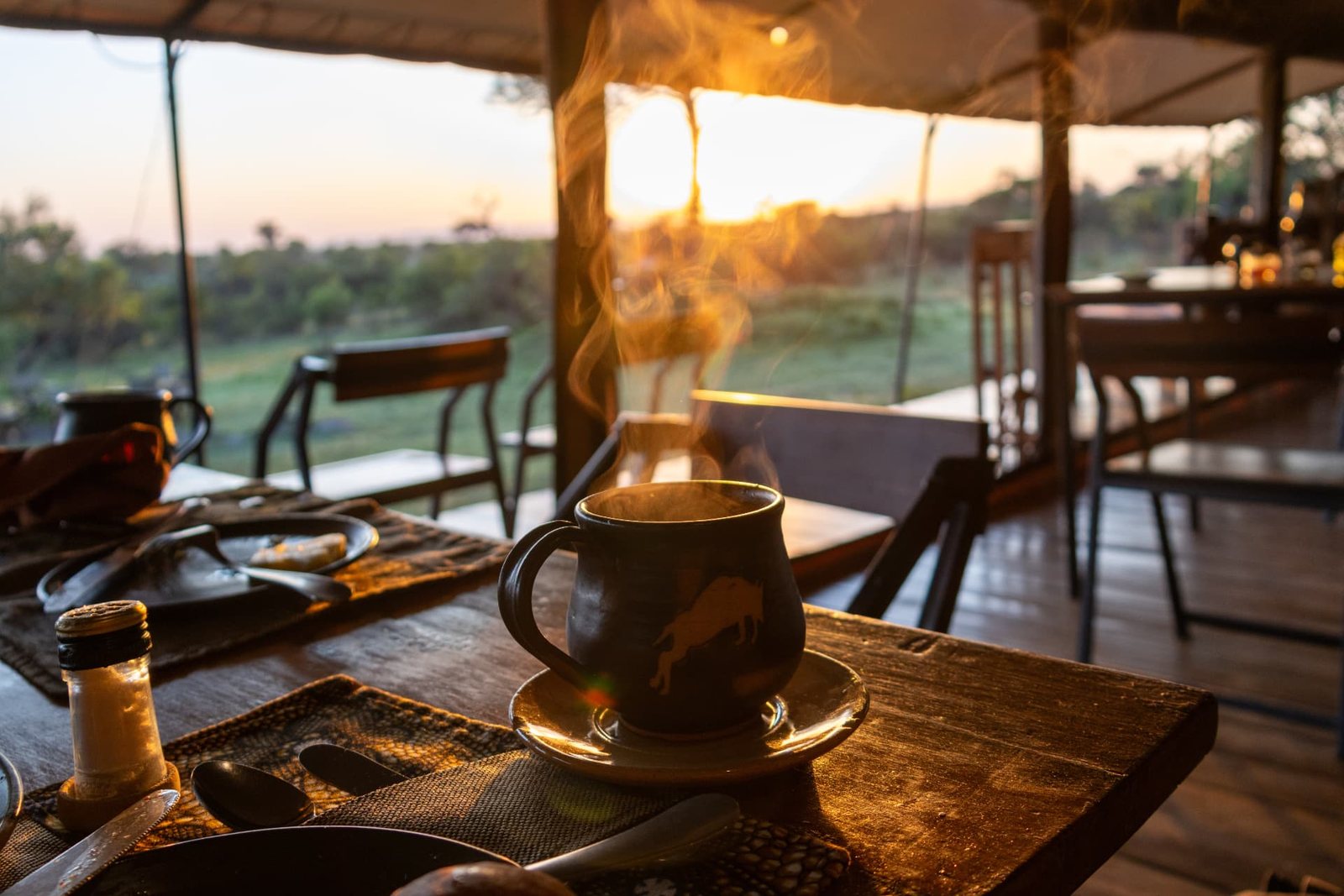
Every park in the northern circuit, unhurried, with three nights inside the Serengeti.
From
$2,450 USD pp
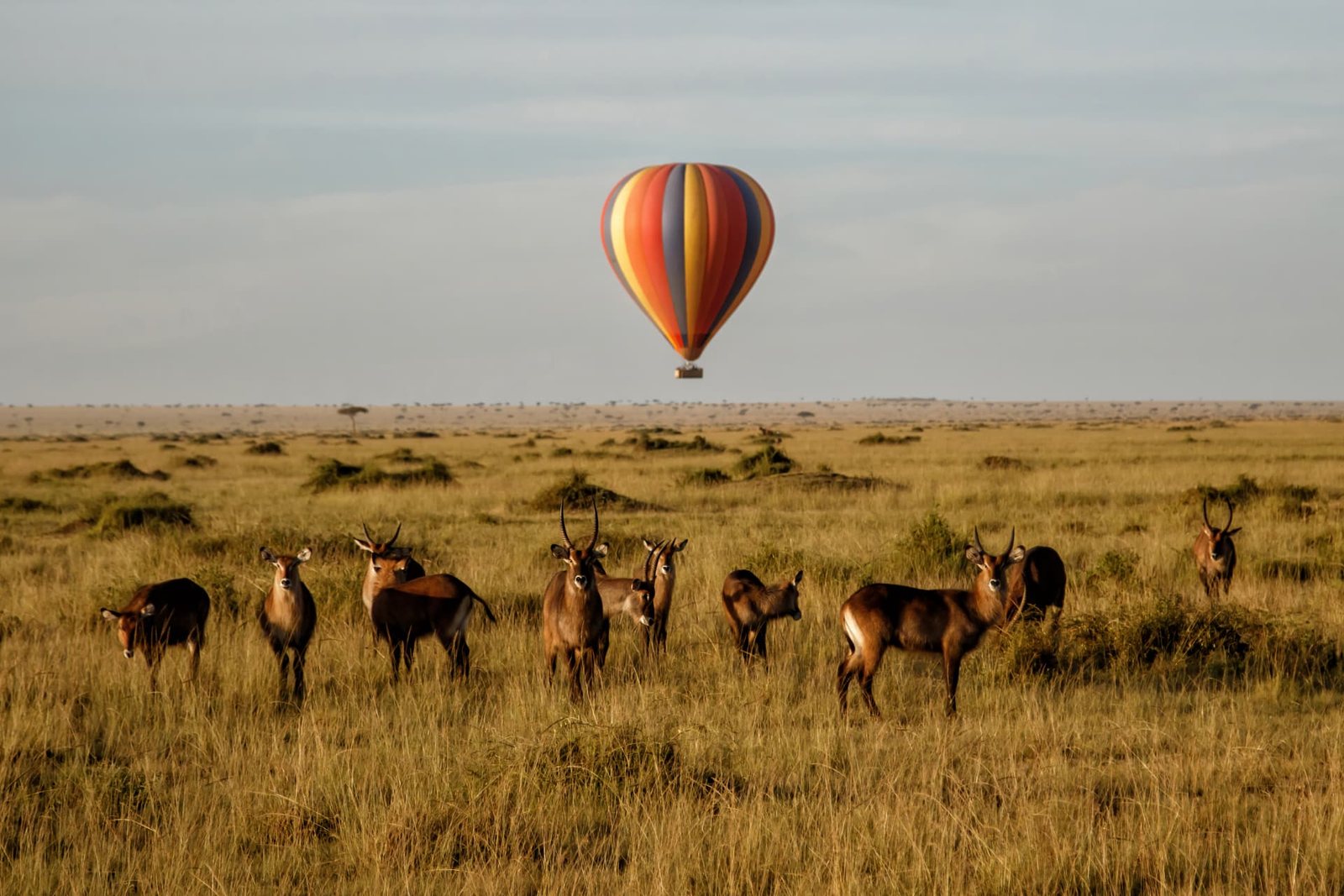
The full northern circuit with three nights inside the Serengeti and room for a balloon flight or a cultural day.
From
$2,700 USD pp
Planning
We are based in Arusha, so we are not neutral — but the honest comparison is more interesting than the sales pitch.
Practical
Tanzania is one of the calmer countries in the region to travel in. The real preparation is medical and administrative, not dramatic.
Practical
The difference between snapshots and photographs on safari is mostly timing, a beanbag and knowing when to put the camera down.