
Planning · 7 min read
How Many Days Do You Need for a Safari? 2, 3, 5 or 7
The right length depends on one thing above all: whether you want to include the Serengeti.
The short answerThree days is the realistic minimum for a Tanzania safari, covering Lake Manyara, the Ngorongoro Crater and Tarangire. Five days is the minimum that makes the Serengeti worthwhile, with two nights inside the park. Seven or eight days lets you reach the northern Serengeti and travel at a human pace. One or two day trips from Arusha work well as an add-on to volunteering, Kilimanjaro or Zanzibar.
One day — a real safari, if you pick the right park
A single day only works in Arusha National Park or, at a stretch, Tarangire. Anything further and you spend the day in the car. Arusha National Park is 45 minutes from town and allows walking safaris, which makes it a surprisingly rich day.
Two days — the shortest trip that includes the crater
Two days gets you Tarangire and the Ngorongoro Crater with one night in Karatu. It is compact but not rushed, and the crater alone gives you a realistic shot at the Big Five. This is the standard weekend safari for volunteers and for travellers stopping in Arusha before Kilimanjaro.
Three days — the best value on the northern circuit
Three days covers Lake Manyara, the Ngorongoro Crater and Tarangire: forest and soda lake, volcanic caldera, baobab savannah. Three genuinely different ecosystems, and the point at which most people stop feeling they missed something. It is our most booked itinerary.
Five days — the minimum for the Serengeti
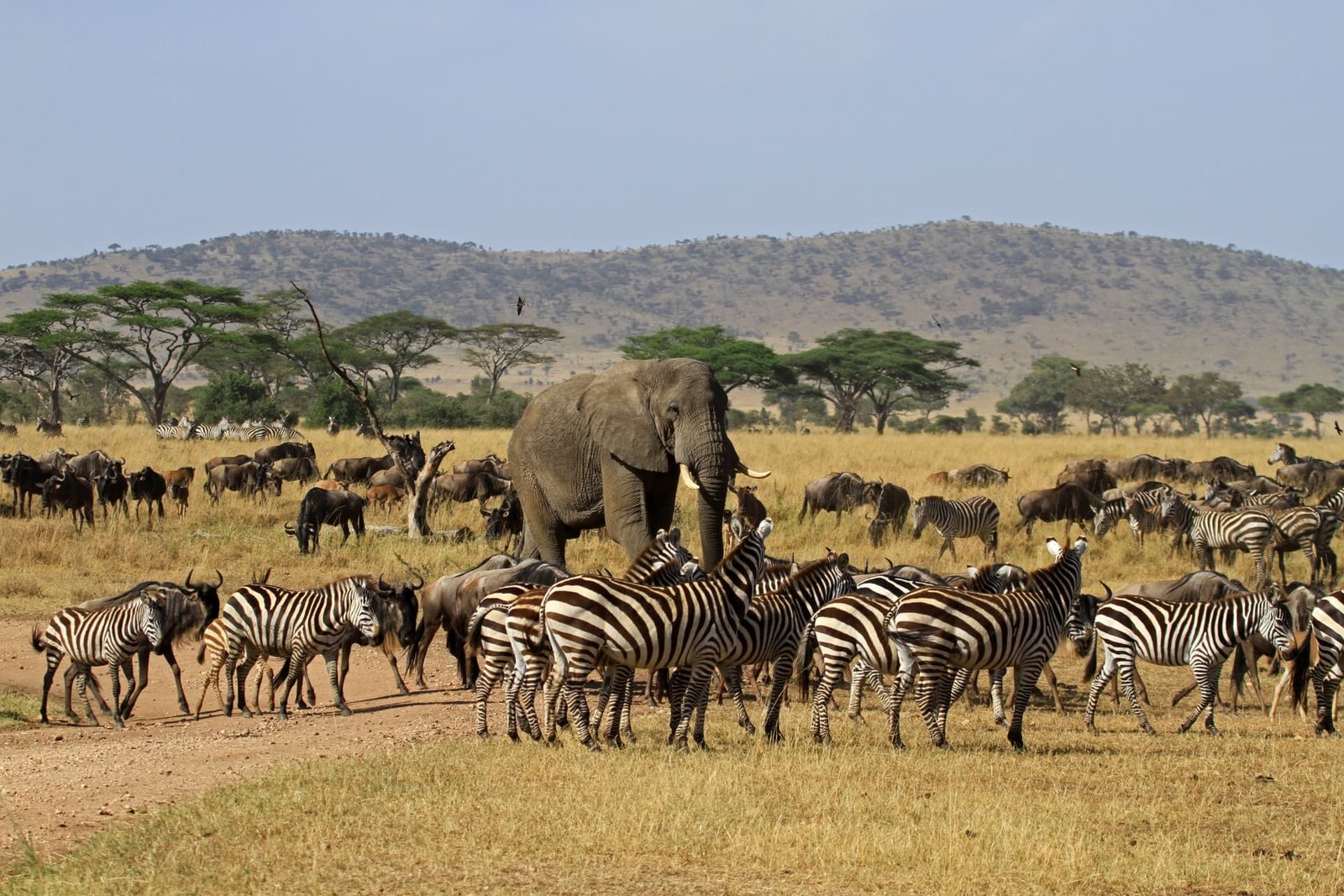
The Serengeti is a seven to eight hour drive from Arusha. Squeezing it into fewer than five days means two of them are spent almost entirely on the road. Five days gives you two nights inside the park, which is enough to follow the migration rather than glimpse it.
Seven days — the whole circuit, unhurried
Seven days adds a third Serengeti night and puts Manyara back in. You get slower mornings, longer game drives, time for a Maasai village or Olduvai Gorge, and the flexibility to follow the herds wherever they happen to be that week. If you have come a long way and may not return, this is the one.
Our rule of thumb
- ·Three days if the Serengeti is not essential.
- ·Five days if it is.
- ·Seven days if you want the trip to feel like a holiday rather than an itinerary.

About the author
Isaac Sumary
Isaac is a Tanzanian safari guide from Arusha and the founder of both the Fruitful Orphanage & Day Care Center and Fruits & Love Safaris. He has been driving the northern circuit for over a decade, and 10% of every safari payment goes back to the children in his care. Reach him on +255 762 353 576 or isaacsumary@yahoo.com.
Planning a trip?
We run private safaris from Arusha and give 10% of every payment to the Fruitful Orphanage. Send us your dates and we will reply within 24 hours with a quote in USD.
Get a quote