Parks · 8 min read
Ngorongoro Crater Tour: Fees, Timing and Wildlife
The densest wildlife in Africa, on a caldera floor 600 metres below you. Here is how a crater day really works.
The short answerA Ngorongoro Crater tour means a single day on the caldera floor, usually descending at dawn for a six-hour game drive among lion, elephant, buffalo, black rhino and around 25,000 large animals. Conservation Area fees are about $71 per adult per day plus a crater vehicle fee of roughly $295, and the crater is excellent in every month of the year.
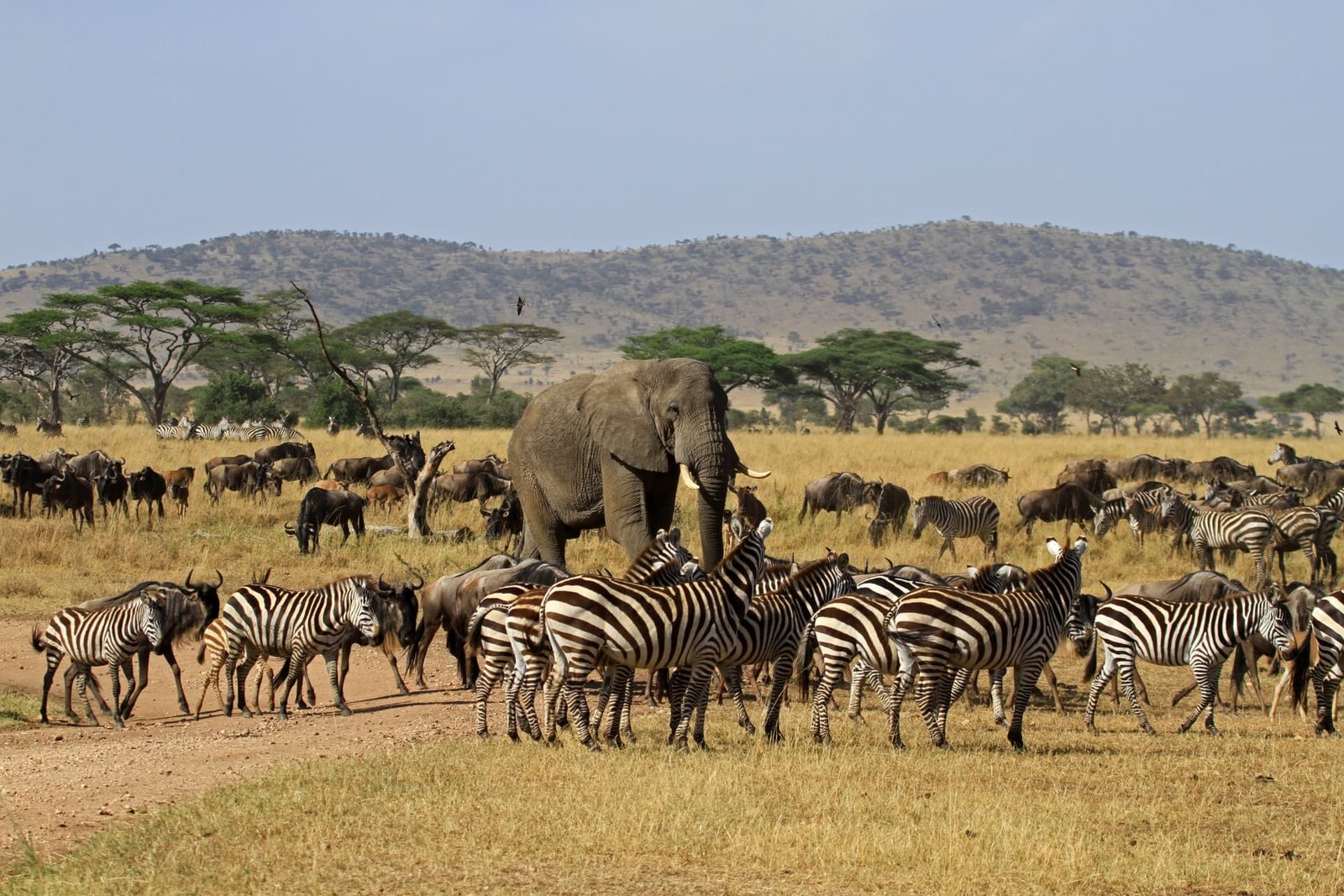
Nowhere else concentrates wildlife like the Ngorongoro Crater. It is an intact volcanic caldera roughly 19 km across, with permanent water and grazing, so the animals inside have no reason to leave. That is why it is the single most reliable game viewing day in Tanzania.
What you see on the crater floor
Leopard live in the forest on the rim rather than the floor, so the Big Five is possible but never guaranteed in a day. Cheetah appear on the open grassland from time to time.
- ·Large lion prides, often on or beside the track
- ·One of the last accessible populations of black rhino
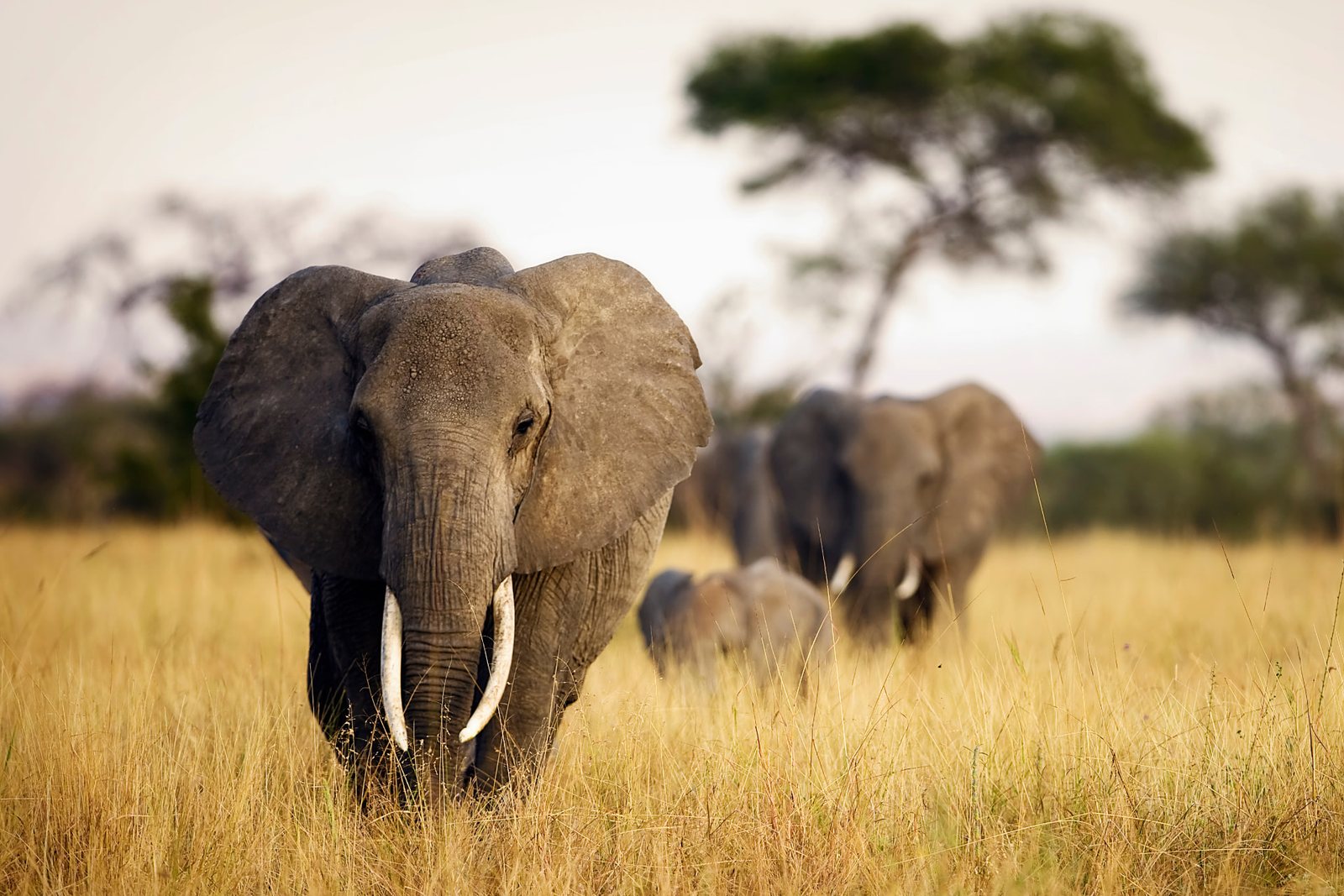
- ·Big bull elephants with unusually long tusks
- ·Buffalo, zebra, wildebeest, eland and Thomson's gazelle in thousands
- ·Flamingos and hippos at Lake Magadi and the Ngoitokitok springs
How a crater day is structured
You sleep on the rim or in nearby Karatu and leave before dawn, because the descent road opens at 06:00 and the first hours are the best. Vehicles are allowed a maximum of six hours on the floor, so your guide plans a loop rather than doubling back.
Lunch is a picnic at a designated site — usually the hippo pool at Ngoitokitok, where black kites will take a sandwich straight out of your hand if you eat outside the vehicle. By early afternoon you climb back up the ascent road for the view over the whole caldera.
Ngorongoro fees explained
The Ngorongoro Conservation Area charges roughly $71 per adult per day, and there is a separate crater service fee of around $295 per vehicle for the descent. Camping or lodging inside the conservation area carries its own fee.
That vehicle fee is why a private crater day looks expensive as a single-day product and why the crater is almost always sold as part of a two-day or longer safari. On our 2-day Tarangire and Ngorongoro trip, everything is included from $520 per person camping.
Best time for a Ngorongoro Crater tour
Any month. The wildlife is resident and does not migrate, so unlike the Serengeti the crater has no low season for game viewing. June to October is dry and busiest; the green months bring dramatic light, newborn animals and fewer vehicles.
Whatever the season, be on the floor early. By 10:00 the crater is at its busiest, and by mid-afternoon most vehicles have gone.
How much time do you need?
One full day on the floor is the standard and it is genuinely enough — the six-hour limit means nobody stays longer. What matters is not adding a second crater day but building the right trip around it: Tarangire and Lake Manyara on either side for variety, or the Serengeti beyond it if you have five days or more.

About the author
Isaac Sumary
Isaac is a Tanzanian safari guide from Arusha and the founder of both the Fruitful Orphanage & Day Care Center and Fruits & Love Safaris. He has been driving the northern circuit for over a decade, and 10% of every safari payment goes back to the children in his care. Reach him on +255 762 353 576 or isaacsumary@yahoo.com.
Planning a trip?
We run private safaris from Arusha and give 10% of every payment to the Fruitful Orphanage. Send us your dates and we will reply within 24 hours with a quote in USD.
Get a quote